
BrainLine Military
A Service of brainline.org
Turn off text only
Page Utilities
Adam’s Tips for Being an Active Participant in Conversations
Click on any phrase to play the video at that point.
Hey everyone, it's Adam, and I wanted to tell you what it's like for me to be around
other people. When my brother and I are speaking and it's just the 2 of us,
we can have a really good time, we can laugh, we can joke, maybe at his place or
at my place or even just on the phone, and so that's a really comforting experience.
It changes, however, when you're in a large group or when you're in some kind of
group setting whether it's family, friends, or a bunch of people you don't know.
For example, last Thanksgiving I actually had hosted some friends and family
over at my house--my place--and throughout the course of the day
I found myself struggling to kind of keep up with the conversation. There was a lot of
people talking at once, a lot of different subjects going on, and it--the reality is
I found myself disconnecting and kind of sitting there letting the conversation
pass me by, not being proactive, not really listening to what was being said.
And that's not really how I want to live. I'm sure that's not really how you want to live.
So some of the things that I did to kind of counteract that, retrospectively of course,
things that I came up with and I've implemented and had success now
are things like being agile in the conversation. So when I do go out
and I know I'm going to go somewhere where other people might be around
or there might be large groups of people, I kind of just prepare myself mentally
to be agile, kind of go with the flow and let the conversation happen and--
without any kind of preconceived notions or expectations for what
the conversation might be. But one of the ways I come back after disconnecting
from a conversation is to kind of ease myself back into it and kind of transition
back into the conversation. For me personally, it's kind of like hitting
the power switch and then having a delayed reaction to have the screen come on
or to kind of come back in and, so I may turn the power on and then wait a few seconds
or a few minutes while I listen to other people's conversation and kind of start to
understand their trains of thought and essentially ease myself back
into the conversation to where I'm ready to become part of it again
because I don't enjoy--and I'm sure you don't enjoy--sitting out of the conversation
or being disconnected, but sometimes we need a little bit of
recoupment time to get our heads back straight.
So that's about it, and I hope that will help you.
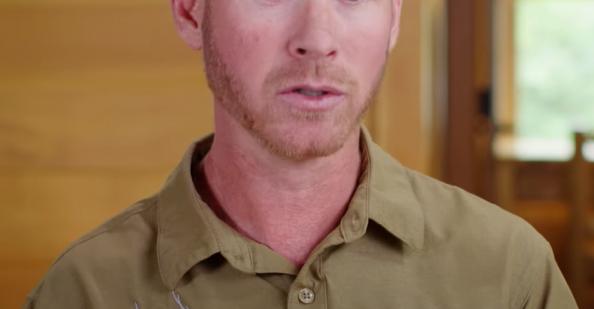
One-on-one conversations are easy and fun, but for someone like Adam, who has a brain injury, being in a large group can be challenging.
Comments [1]
Recent Blog Posts
May 20, 2013
Don't Be Stoic; Talk to Your PT, OT, and Doctors
May 13, 2013
Expanding Your Realm of Possibilities After a Brain Injury
May 6, 2013
Take Responsibility for Your Recovery and Get Back on Track
April 29, 2013
How to Assert Yourself After a Brain Injury


I have been listening to your tips and will be trying some of these. Thank you for sharing these. They are helpful and comforting.
Nov 1st, 2012 8:05pm