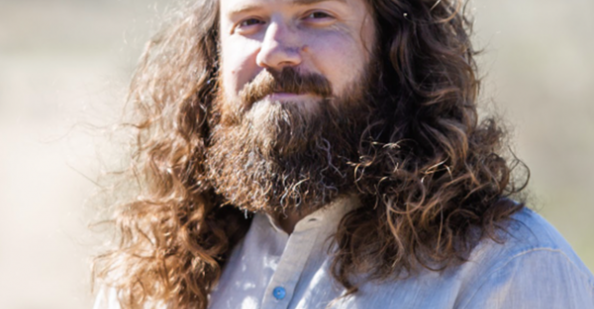

Hey guys, it's Adam.
I'm here to talk to you today about an email that I received from the wife of a Marine
who suffered a brain injury while in Afghanistan.
The email reads that, "My husband needs rest a lot more than he used to."
"He gets physically tired more easily, and he also gets what they term 'brain fatigue'"
where it appears that he's lazy, he's less proactive in his activities
because his brain is ultimately tired.
And so the question that she's asking is how can she help people and him
understand that he's far from lazy but his brain just gets fatigued more easily?
To her, she says, "It is insulting."
And so really what I'm here to share with you is each person's recovery
and each person's symptoms with a brain injury are going to be different.
So some people are going to have symptomatologies
where it becomes very apparent that they're struggling with brain fatigue,
that their brain is really struggling and wearing itself out faster,
while other people who may have suffered the exact same injury,
their symptoms will be different, and they may experience not very much fatigue at all.
They may experience a very fluid and dynamic kind of operating environment or personality.
So the best thing to do is kind of fuse a balance
between where you're capable of operating
and the level of fatigue where it starts to set in.
So if you're able to kind of gradually over time measure or put a little mental marker
of where your fatigue starts to set in,
try and match that on a regular basis.
And over time, your therapies may change, your acclimation to your environment may change,
or just your resiliency may change.
You may be better equipped from time to time as you progress through your recovery
to deal with the different levels of brain fatigue,
with the ultimate goal of hopefully eliminating it as best you can.
So focus on your own recovery, don't worry about the perceptions of being lazy or inactive,
and just do the best you can. Thanks.
Show transcript | Print transcript
Adam shares an email from a Marine's wife about "brain fatigue." She worries that people — including her injured husband — think he is lazy or less proactive when it's simply a physiological symptom of the TBI. Adam offers kind and sage advice.